
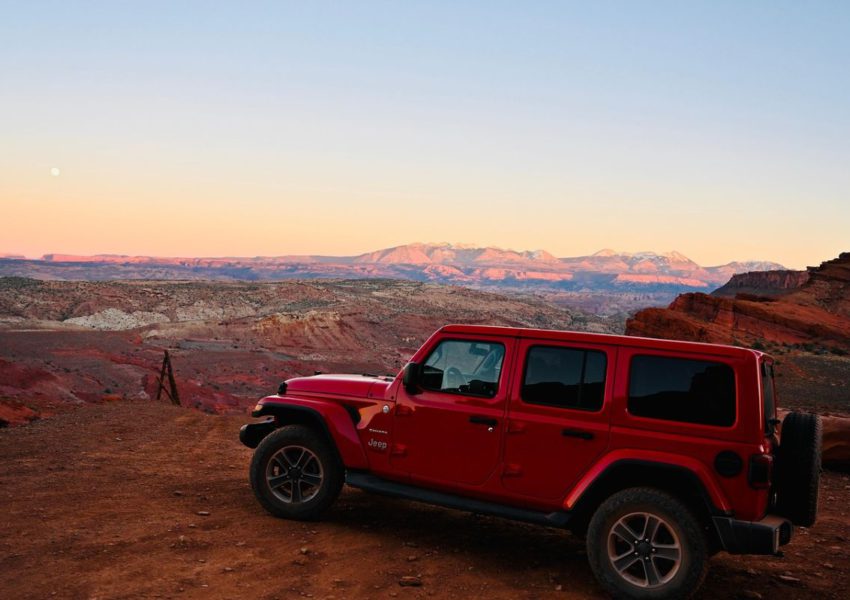
Every so often, someone opens the back of a vehicle and reveals car drawers that quietly hint at a life filled with road dust, early mornings and faraway camps. A moment later, another person steps into the passenger seat of a custom 4×4 and instantly senses that the cabin was shaped with purpose. The interior of an actual adventure vehicle often speaks louder than its exterior, offering clues about the journeys its owner enjoys and the stories waiting to unfold.
A cabin built for adventure carries its own sense of character. Even without a narrator, it tells a story of places visited and moments collected along the way. People who spend their weekends exploring dirt tracks and forgotten roads often start shaping their interiors long before they add anything to the roof rack or suspension. A folded map, a weathered hat on the seat, or a favourite travel mug resting in its holder can transform the inside of a vehicle into something more personal. From there, small upgrades and thoughtful touches slowly turn the cabin into a space that feels intentional, comfortable and ready for anything.
Picture the steady hum of a vehicle climbing through a trail, gravel clicking beneath the tyres, the kind of sound that signals the start of something good. Inside, the cabin becomes a soft shield between the traveller and the wild outside. Seats hold the body in a way that reduces fatigue, windows frame the shifting landscape, and the steering wheel offers subtle feedback that keeps the driver connected to the terrain. A well-designed interior doesn’t demand attention. Instead, it quietly supports the journey, allowing the mind to wander and the senses to tune into the world passing by.

For some, the ideal adventure cabin represents rugged calm. Materials that can withstand sand, mud and long days in the sun coexist with fabrics and textures that feel inviting to the touch. Storage spaces create order without making the cabin feel sterile. Soft lighting gives night drives a relaxed glow that keeps fatigue at bay. This balance between resilience and comfort makes the space feel like a small refuge while still being ready for weather, rough tracks and unexpected detours.
Many travellers recall mornings spent waking up inside their vehicles after the rain has passed. The soft rhythm of droplets hitting the roof, the cool grey light filtering through the windows, and the contrast between the cold air outside and the warmth inside the cabin create a moment that stays in memory for years. A thoughtfully arranged interior supports these quiet experiences. It keeps dampness out, allows enough room to stretch and brings a sense of familiarity to wild places.
Adventure cabins often reflect the personalities of the people who build them. Some prefer open spaces, with everything tucked neatly away so the environment feels calm and uncluttered. Others pack their cabins with ropes, jackets, small tools and bits of gear that show they are always ready for something unexpected. Neither approach is right nor wrong. Both reveal a simple truth, that people who explore value a space they can trust. The interior becomes part of their rhythm, a place where they know exactly how to reach for what they need without breaking the flow of a journey.
Different landscapes also shape how a cabin functions. Travellers who frequent deserts appreciate the cool shade and stillness that settles in the cabin once the doors close. Those who explore dense forests look for places to store wet clothing or muddy shoes without spreading moisture everywhere. Mountain drivers value warmth and insulation, especially when the temperature drops suddenly. The cabin shifts as the environment shifts, turning from a shelter to a workstation to a resting place depending on the terrain.
Many adventurers describe their cabin as something almost companion-like. Scuffs on the floor and marks on the door panels carry memories of trips long forgotten. A spilled drink, a scratched console, and sun-faded fabric all become part of the story. There are moments when the cabin feels like a sanctuary during storms, or a cozy spot to sit quietly while the sun sets behind the hills. Over time, these small experiences give personality to the space.
What makes an adventure cabin truly special is its ability to encourage spontaneity. When everything feels organised and familiar, decisions come easier. A driver may choose to take an unmarked side road or stay out longer than planned, simply because the cabin already feels like a reliable base. With the right interior, the vehicle becomes more than transportation. It becomes the starting point for new experiences, a place where comfort meets curiosity.
The heart of any adventure vehicle is its interior. Engines and exterior modifications often get the spotlight, but the cabin is where the traveller actually lives during the journey. It holds conversations, laughter, fatigue, excitement and quiet reflection. It sees plans made, doubts dismissed, and paths reconsidered. Every long drive becomes an opportunity for connection between the traveller and the world outside.
A cabin built for adventure does not need to be flawless. It needs to feel real, functional and welcoming. It should offer a sense of preparation without losing warmth. When someone steps inside, they should immediately sense possibilities. The cabin becomes the beginning of each story, shaping the way the journey unfolds.
That is the real beauty of an interior created for exploration. It becomes a place that stays with people long after the drive ends, carrying with it the echoes of roads travelled, camps enjoyed and moments that would have never happened without a vehicle ready to take them there.